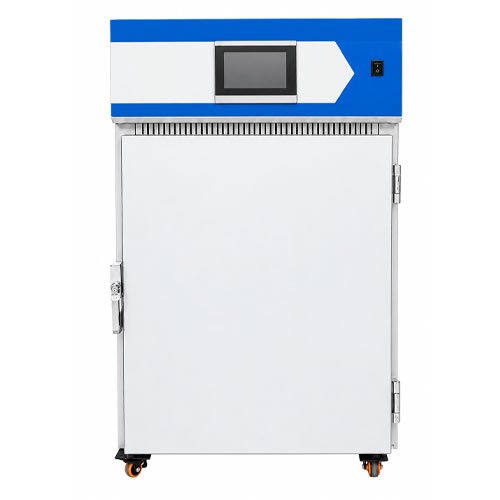
Best Practices for Operating and Maintaining a Photo Stability Chamber
Consistent laboratory results depend on more than purchasing suitable equipment. A photo stability chamber must be installed correctly, operated according to defined procedures, and maintained so that its lighting and monitoring systems continue to perform as intended. Poor sample arrangement, unverified exposure conditions, neglected maintenance, or incomplete records can affect the interpretation of photostability studies even when the equipment appears to be functioning normally.
For laboratories researching this equipment, the JSK Engitech photo stability chamber product page provides a starting point for understanding the product category. Actual operating and maintenance activities should always follow the documentation supplied for the installed model, the laboratory's quality procedures, and the safety requirements relevant to its application.
Prepare the Chamber Before Use
Before beginning a study, operators should confirm that the chamber is clean, in suitable operating condition, and appropriate for the planned exposure. The required light sources, measurement instruments, sample supports, and other accessories should be available and ready for use.
Preparation should be based on a written checklist that reflects the equipment configuration and the testing programme. A routine inspection helps identify missing accessories, visible damage, unusual equipment conditions, or measurement instruments that require attention before the study begins.
Essential Pre-Operation Checks
- Verify the equipment identification and operating status.
- Check the chamber interior and sample supports for cleanliness and damage.
- Confirm that the required light sources are installed correctly.
- Review the status of relevant exposure and temperature measurement instruments.
- Ensure that the sample arrangement matches the approved protocol.
- Check the operation of applicable safety features and enclosure components.
- Confirm that the study documentation and sample labels are ready.
Any issue that could affect safety or test validity should be addressed before starting the exposure. Operators should not bypass protective features or attempt repairs outside their training and authorisation.
Follow a Controlled Operating Procedure
A standard operating procedure should define the sequence for sample preparation, equipment setup, exposure measurement, operation, sample removal, and record completion. Consistent procedures reduce the risk of avoidable differences between studies and help ensure that important steps are not overlooked.
Operators should confirm the required settings from the approved study protocol rather than relying on memory or copying values from an unrelated test. The correct conditions depend on the product, purpose of the study, applicable guidance, and capabilities of the installed chamber.
Arrange Samples Carefully
Sample placement can influence the amount of light received. Items positioned close to one another may cast shadows, while locations at different distances from a source may experience different exposure conditions. Containers and racks can also affect the arrangement of the sample area.
Follow the approved placement procedure and record relevant positions when needed. If the study requires samples to be repositioned, perform the change according to the protocol and document the action so that the exposure history remains clear.
Monitor Light Exposure and Temperature
Exposure monitoring is a central part of reliable photostability testing. The chamber's operating settings should not be treated as proof that the intended amount of light reached the samples. Suitable instruments and documented measurement methods are needed when the study depends on defined illumination levels or accumulated exposure.
Temperature should also be considered where it may affect the test outcome. Depending on the equipment, light sources may contribute heat, and the internal temperature may vary with operating conditions. Monitoring should be appropriate to the study's requirements and the manufacturer's guidance.
Respond to Deviations Promptly
If an alarm, interruption, unexpected temperature change, or lighting problem occurs, follow the laboratory's deviation procedure. Record what happened, when it occurred, the affected samples, and the action taken. The potential impact on exposure and study interpretation should be assessed by the appropriate personnel.
Do not assume that a short interruption is irrelevant. Its significance depends on the exposure conditions, the timing of the event, the affected samples, and the requirements of the protocol. Any decision to continue, repeat, or invalidate a test should be documented.
Cleaning and Routine Care
Cleaning requirements depend on the sample types, laboratory environment, and chamber design. Dust, residue, or spilled sample material should be handled according to the manufacturer's instructions and the laboratory's approved procedure. Cleaning products and methods must be compatible with the equipment materials and must not damage light sources, sensors, seals, or other components.
After cleaning, inspect the relevant areas and confirm that the chamber is ready for the next study. If components are removed during cleaning, ensure they are reinstalled correctly before operation. Where the laboratory uses cleaning records, document the activity and any problems identified.
Maintenance of Light Sources and Measurement Instruments
Light sources may change their output over time, and instrument performance can drift. These changes may affect the exposure conditions if they are not detected and managed. Laboratories should establish maintenance and verification schedules based on the manufacturer's recommendations, equipment usage, and the criticality of the measurements.
Measurement instruments should be calibrated or verified as required by the laboratory's quality system. Records should identify the instrument, relevant dates, results, and corrective actions. If a verification check fails, evaluate whether testing performed since the previous acceptable check could have been affected.
- Inspect light sources for damage or abnormal operation.
- Maintain exposure measurement instruments according to their documentation.
- Review relevant temperature sensor performance where applicable.
- Check enclosure components and electrical connections through authorised procedures.
- Record maintenance work and component replacements.
- Review recurring issues to identify potential underlying causes.
Protect Operators From Light Exposure
Ultraviolet light can pose hazards to the eyes and skin, depending on the wavelength and exposure conditions. Laboratories should assess the hazards associated with the installed system and ensure that the enclosure, protective features, operating procedures, and training are appropriate.
Operators should not view exposed light sources directly or defeat protective interlocks. Maintenance and inspection tasks involving access to the lighting system must follow the specified safety procedure. Any damaged protective component should be reported and addressed before the equipment is returned to service.
Maintain Complete Study Records
Accurate records help establish how the study was conducted and whether the required conditions were maintained. Depending on the testing programme, records may include sample identification, chamber identification, light source details, exposure measurements, temperature data, start and end times, sample positions, instrument information, and deviations.
Records should be completed at the time of the activity wherever practical and reviewed according to the laboratory's quality procedures. Electronic records, where used for controlled work, should be managed according to applicable data integrity requirements.
Common Operational Mistakes to Avoid
Some preventable problems arise from treating photostability testing as a simple timed exposure. The actual test requires attention to measurement, sample arrangement, equipment condition, and documentation.
- Starting a study without verifying the required exposure conditions.
- Overloading the chamber or allowing samples to shade one another.
- Ignoring changes in light output or instrument status.
- Failing to record interruptions and unexpected operating conditions.
- Using unapproved cleaning materials or maintenance methods.
- Returning the chamber to service without confirming that repairs are complete.
Conclusion
Effective operation of a photo stability chamber requires a controlled procedure, careful sample placement, suitable exposure monitoring, routine cleaning, preventive maintenance, and reliable records. These practices help laboratories identify conditions that could affect the validity of Photo Stability Chamber their studies and maintain the equipment in an appropriate operating state.
Use Photo Stability Chamber the JSK Engitech product page as a starting point when researching photo stability chamber equipment, and follow the documentation for the actual model installed in your laboratory. A disciplined approach to operation and maintenance supports more consistent testing and safer laboratory work.